Back to Whitsundays
Whitsundays · Fishing

Species, seasons and spots

The Whitsundays fish across three worlds — the inshore island fringing reefs from Hayman to Lindeman, the outer Great Barrier Reef (Bait, Hardy, Hook), and the mainland creeks and estuaries running out of the Proserpine and O'Connell systems. Coral trout, red emperor, nannygai and Spanish mackerel headline the reef; barramundi, mangrove jack and threadfin salmon headline the creeks. It's a tropical fishery — plan for wet-season storms, southeasterly trades and long runs offshore.

8 · Target species

What's biting in Whitsundays

Season, where, how, and the rules that keep the fishery healthy.

Species 01
Year-round

Coral Trout

The reef's marquee eating fish.

Season
Year-round, best April–November.
Where
Inshore island reefs, bommies and drop-offs around Hook, Border and Bait Reefs.
How
Live baits, pilchards or soft plastics dropped on the shoulder of the bommies. Lock the drag — trout bury fast.
Rules
38cm minimum, 5 in possession (QLD). Coral reef fin fish closures apply — check DAF.
Species 02
Year-round; best on the neap tides.

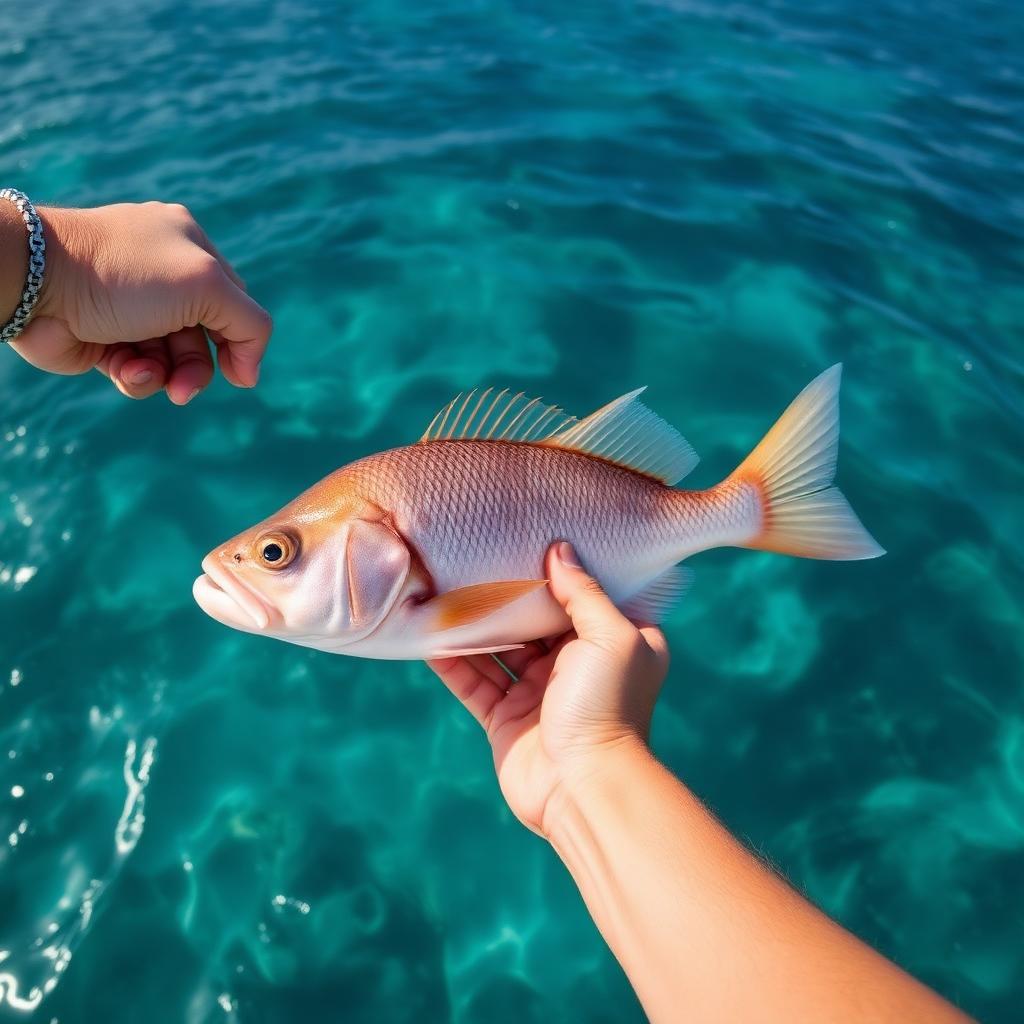
Red Emperor

The wide-water prize.

Season
Year-round; best on the neap tides.
Where
Deeper ground on the outer reef edges and gravel patches wide of the islands.
How
Squid, mullet fillet or large soft plastics on paternoster rigs in 40–80m.
Rules
55cm minimum, 5 in possession.
Species 03
Year-round.

Large Mouth Nannygai

Schooling gold on the wrecks and gravel.

Season
Year-round.
Where
Mid-shelf gravel, isolated bommies, wrecks wide of the islands.
How
Paternoster rigs with squid or pilchard, or slow-pitch jigs on the school.
Rules
40cm minimum, 5 in possession.
Species 04
August–December peak; year-round in patches.

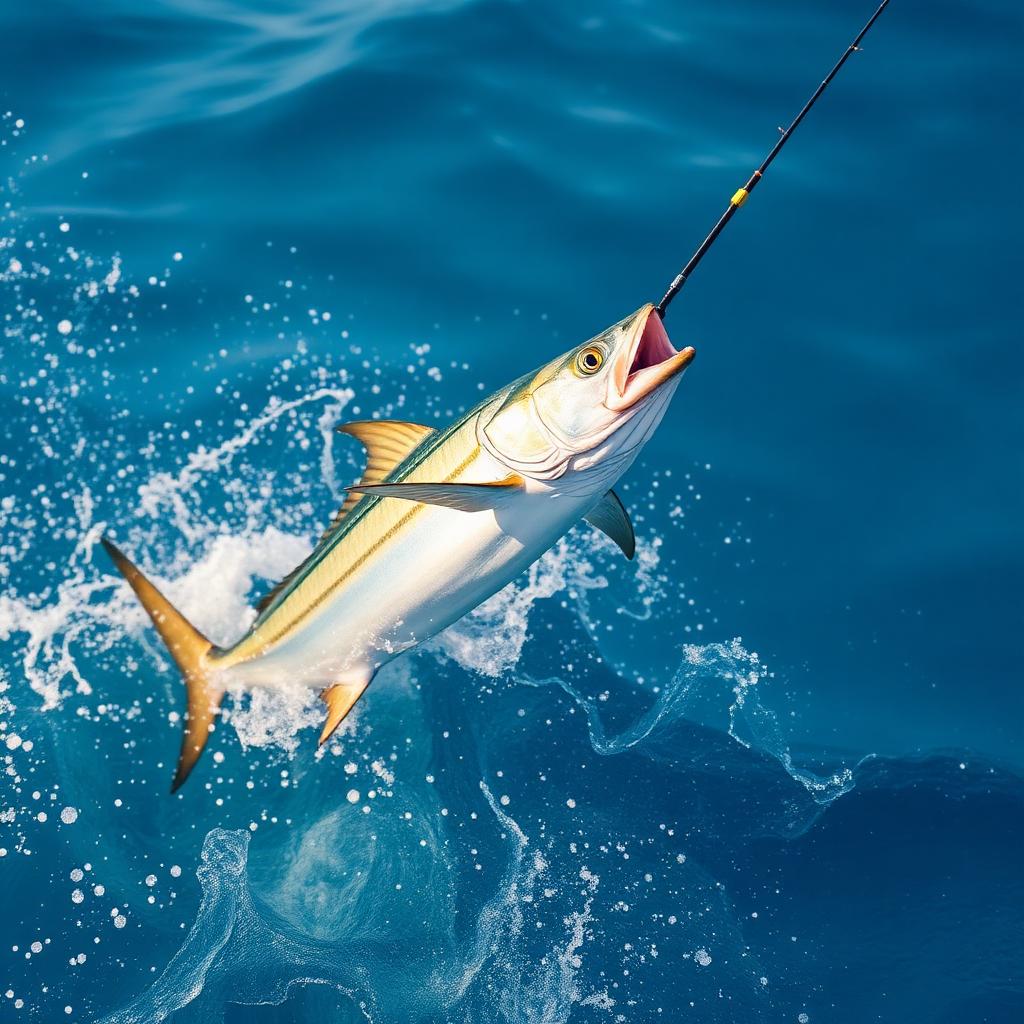
Spanish Mackerel

The reef speedster.

Season
August–December peak; year-round in patches.
Where
Bait Reef, Hook, Black Reef, current lines off the outer islands.
How
Trolled rigged garfish and skirts, or floated pilchards on wire behind a burley trail.
Rules
75cm minimum, 3 in possession.
Species 05
November–January and again March–May; closed Nov 1 – Feb 1 (east coast).

Barramundi

The mainland creek headline.

Season
November–January and again March–May; closed Nov 1 – Feb 1 (east coast).
Where
Proserpine River, O'Connell River, Goorganga creeks, mainland snags.
How
Live baits, hardbodies and paddle-tails worked tight to snags on the run-in tide.
Rules
58–120cm slot, 5 in possession. Seasonal closure — check DAF.
Species 06
October–April.

Mangrove Jack

Snag country brawler.

Season
October–April.
Where
Proserpine and O'Connell snags, mainland creeks, mangrove-lined bays on the leeward island shores.
How
Live baits and hard-bodies tight to structure — heavy leader, drag locked.
Rules
35cm minimum, 5 in possession.
Species 07
Year-round; best on the run-out.

Giant Trevally

Reef edges and headlands.

Season
Year-round; best on the run-out.
Where
Island headlands, reef passes, current pressure points around Hook and Whitsunday Island.
How
Cast big stickbaits and poppers to structure and current lines; troll deep divers along the drops.
Rules
No size limit; possession limits apply — check QLD DPI.
Species 08
December–April

Mud Crab

Wet-season bonus.

Season
December–April, best after summer rain.
Where
Proserpine and O'Connell tributaries, Goorganga wetlands, mainland mangrove creeks.
How
Baited pots in the drains and mangrove edges.
Rules
Males only, 15cm minimum, 10 in possession, 4 pots per person.
6 · Where to fish

Whitsundays's classic grounds

From canal pontoons to the shelf — where the fish live and how locals fish them.

Bait Reef
Spot 01 · reef

Bait Reef

Outer reef, marquee fishing.

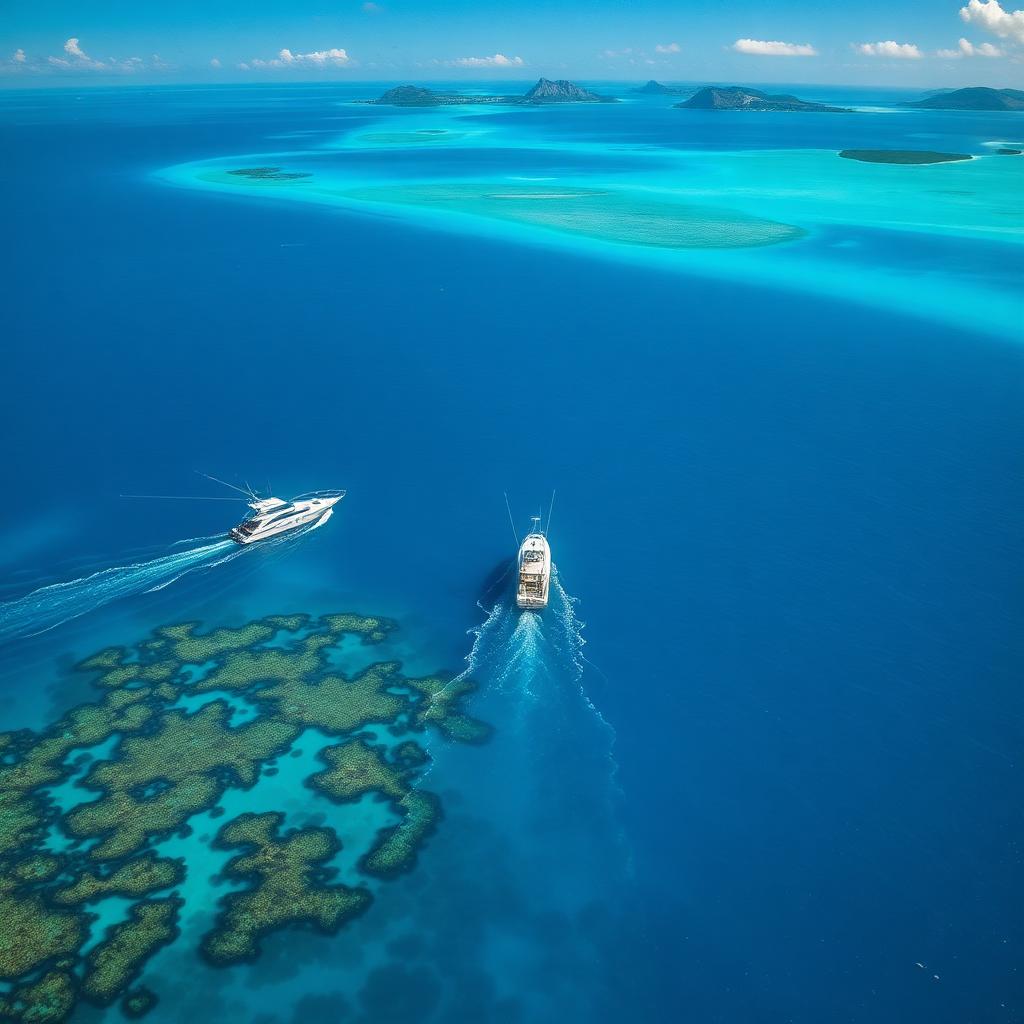
One of the classic outer-reef marks off the Whitsundays — a long run east from Airlie, but worth it when the weather plays. Coral trout, red emperor, nannygai and big Spanish on the edges. Green-zone sections apply; check the marine park map cold before you drop.

Best tide
Neap tides for the demersals; run-in for pelagics.
Target species
Coral troutRed emperorNannygaiSpanish mackerel
Local tip

Neap tides fish the outer reef best — spring tides move too much water for the bommies.
Hook Reef
Spot 02 · reef

Hook Reef

Iconic wall and bommie country.

Steep drop-offs, coral bommies and current pressure points. Trout on the shoulders, GTs and mackerel on the corners, and the occasional dogtooth in the deeper water. Weather window and offshore-capable boat non-negotiable.

Best tide
Change of tide on the bommies; run-out along the wall.
Target species
Coral troutGTsSpanish mackerelRed throat sweetlip
Local tip

Anchor upcurrent of the bommie and drift baits back — parking on top spooks the trout.

Inshore Island Fringing Reefs
Spot 03 · reef

Inshore Island Fringing Reefs

Sheltered reef in reach of a trailer boat.

The leeward sides of Whitsunday, Hook, Hayman and Lindeman all hold fringing reef within reach on a trade-wind day. Sweetlip, coral trout, cod and mackerel in the passes. Ideal option when the outer reef is blown out.

Best tide
Run-in on the passes; change of light on the reef edges.
Target species
SweetlipCoral troutCodSpanish mackerel
Local tip

Fish the leeward side of whichever island the trades are hitting — it's often glass-out on the back.

Proserpine River
Spot 04 · estuary

Proserpine River

Barra and jack country.

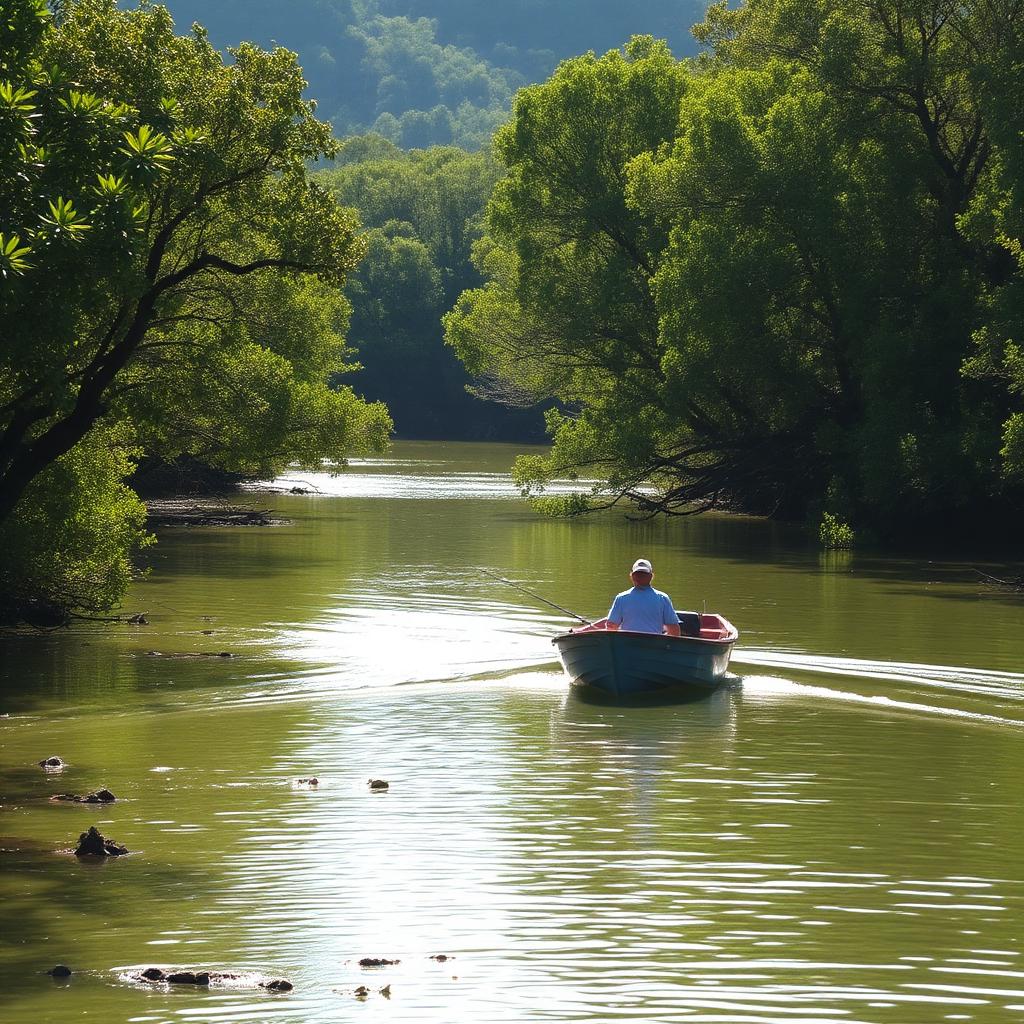
The mainland's headline creek system, running out through Goorganga. Snags, drains and mangrove edges hold barramundi, mangrove jack, threadfin and grunter through the warmer months. Crocs are present — behave accordingly.

Best tide
Run-in and first of the run-out.
Target species
BarramundiMangrove jackThreadfin salmonGrunter
Local tip

Barra bite the pressure change — the last hour before the tide turns is the golden window.

O'Connell River
Spot 05 · estuary

O'Connell River

Northern mainland creek run.

North of Proserpine — deep bends, snag lines and long mangrove-lined stretches. Barra, jacks, threadfin and mud crabs after the wet. Watch the shoals on the entry bar.

Best tide
Top of the tide into the run-out.
Target species
BarramundiMangrove jackThreadfin salmonMud crab
Local tip

The best barra come out of the tightest snags — bring gear you're willing to lose.

Whitsunday Passage & Headlands
Spot 06 · offshore

Whitsunday Passage & Headlands

GTs, mackerel and current lines.

The main passage between the islands funnels bait — and follows the pelagics. Cast stickbaits at surface bust-ups, troll the current lines and mind the ferry traffic.

Best tide
Run-out on the headlands.
Target species
GTsSpanish mackerelLongtail tunaQueenfish
Local tip

Watch the birds — mackerel schools push bait to the surface most mornings in the trade season.

Seasonal calendar

A year on the water

Wet (Dec–Mar)

Barra and jacks fire in the creeks after rain; storms and monsoon lows shut the reef down for days at a time.

Autumn (Apr–May)

Reef opens up as trades settle — trout, nannygai and red emperor on the neaps. Late-season barra.

Trade Season (Jun–Sep)

Southeasterly trades dominate. Fish the leeward side of the islands; outer reef on the rare glass day.

Spring (Oct–Nov)

Spanish mackerel peak run. Water warms, jacks return, first pre-wet barra bite.

Local rule of thumb
  • Green zones cover big sections of the Whitsundays marine park — carry a current zoning map, know it cold.
  • The outer reef is a long run. Two working comms, a full trip plan lodged, and a real weather window — non-negotiable.
  • Trade winds shape every trip Jun–Sep. Fish the leeward side of the islands and don't fight the forecast.
  • Coral reef fin fish closures apply five days a year — check DAF dates before you go.
  • Crocs live in the mainland creeks. Don't clean fish at the ramp and don't stand at the water's edge.
Official rules

Queensland Fisheries

Bag limits, size limits, closures and licences — always check before you go.

Open regulator site