Back to Sunshine Coast
Sunshine Coast · Fishing

Species, seasons and spots

The Sunshine Coast fishes as three distinct waters — the close and wider offshore reefs off Mooloolaba (Barwon Banks, Caloundra Wide, Murphys), the Noosa and Maroochy river systems, and the sheltered Pumicestone Passage in the north. It's one of the few regions in Australia where you can chase reefies, run pelagics and flick soft plastics for whiting all inside the same weekend.

5 · Target species

What's biting in Sunshine Coast

Season, where, how, and the rules that keep the fishery healthy.

Species 01
Year-round

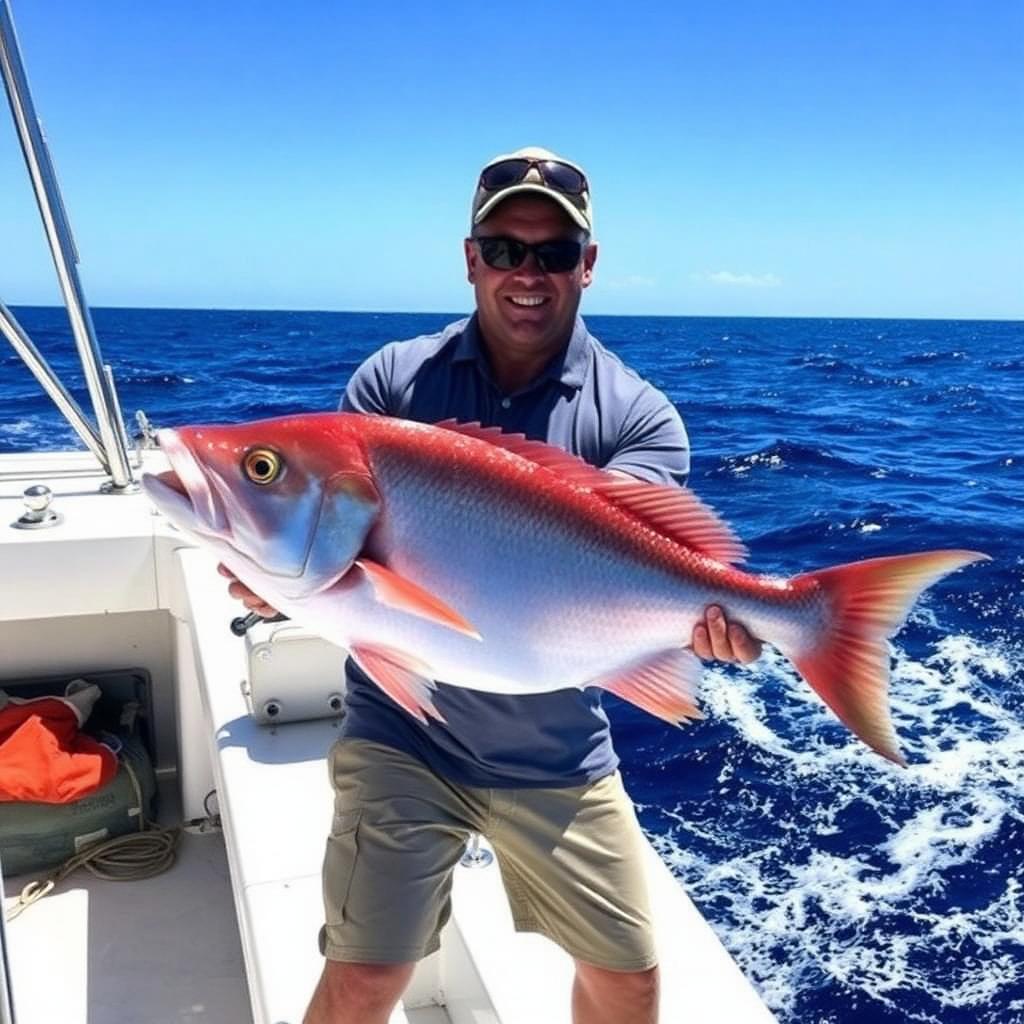
Snapper

The Coast's premier offshore target.

Season
Year-round, best May–September.
Where
Murphys Reef, Caloundra Wide, Barwon Banks, the 12 Mile.
How
Drift baits or slow-pitch jigs on the shoulder of the reef. Pilchards, squid strips and floating baits on light leader through the burley trail.
Rules
35cm minimum, 4 in possession (QLD). Regulated snapper/pearl perch closure applies — check DAF before you go.
Species 02
November–April

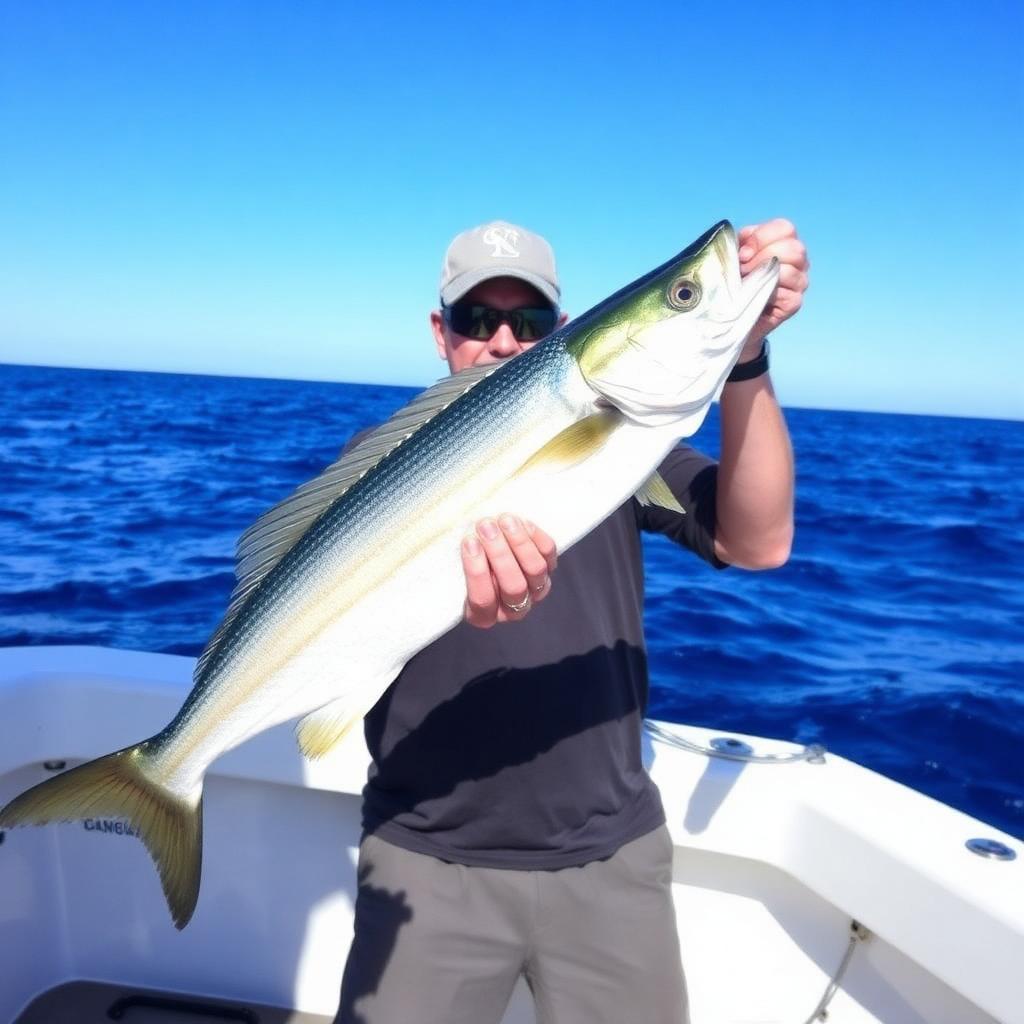
Spanish Mackerel

The summer speedster off the Coast.

Season
November–April, peaks January–March.
Where
The reefs from Sunshine Reef north to Chardons Reef and Halls Reef.
How
Trolled skirted lures and rigged garfish, or floated pilchards on wire behind a burley trail.
Rules
75cm minimum, 3 in possession (QLD).
Species 03
Year-round

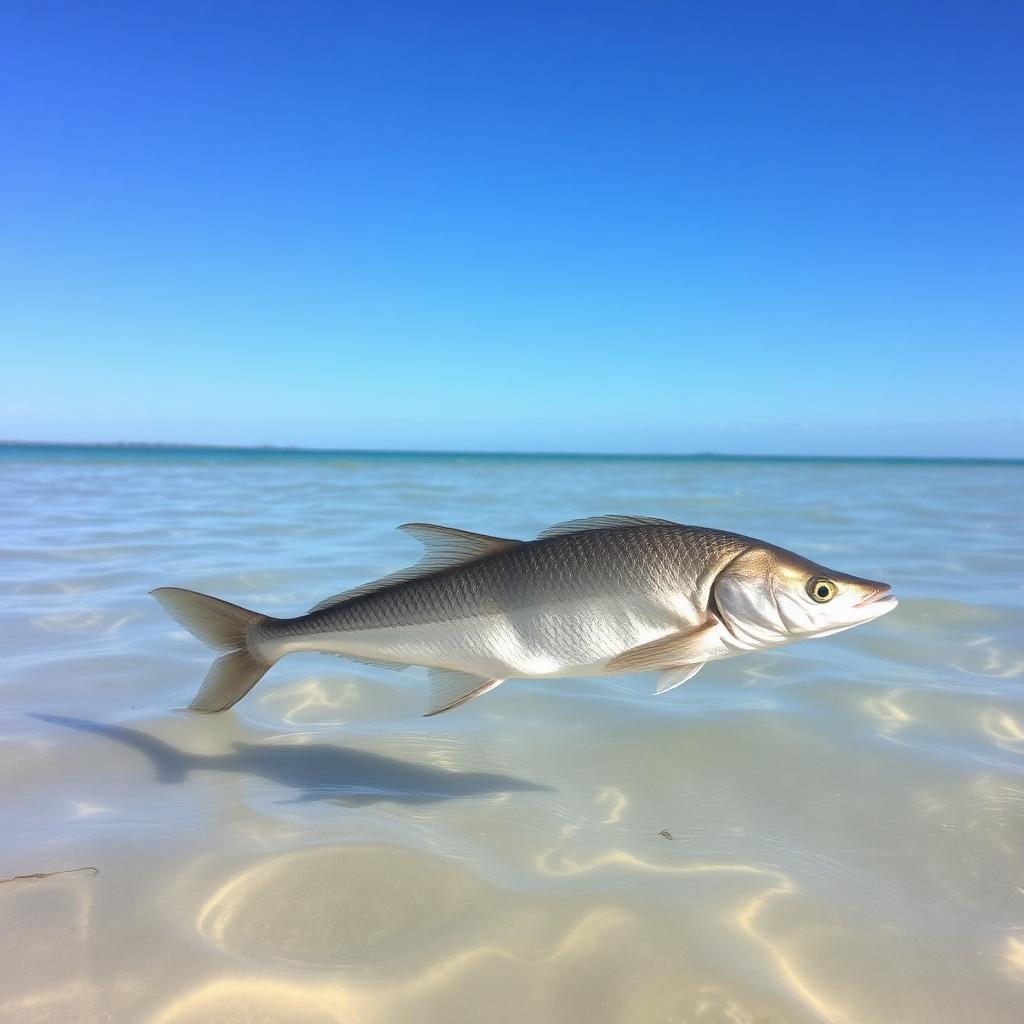
Sand Whiting

The estuary bread and butter.

Season
Year-round, best October–March.
Where
Maroochy River flats, Noosa River sandbanks, Pumicestone Passage north.
How
Live yabbies or worms on light gear across the sandbanks on a rising tide.
Rules
23cm minimum, 30 in possession (QLD).
Species 04
Year-round

Dusky Flathead

The classic river ambush.

Season
Year-round, best August–March.
Where
Noosa River drop-offs, Maroochy sand edges, Pumicestone drains.
How
Soft plastics and shallow vibes drifted across the sand edges on the run-out.
Rules
40–75cm slot, 5 in possession (QLD).
Species 05
October–April.

Mangrove Jack

The river's summer bruiser.

Season
October–April.
Where
Snags and rockwalls up the Maroochy and Noosa Rivers, canal pontoons at Kawana.
How
Live baits and soft plastics tight to structure on the run-in tide, usually late afternoon.
Rules
35cm minimum, 5 in possession (QLD).
7 · Where to fish

Sunshine Coast's classic grounds

From canal pontoons to the shelf — where the fish live and how locals fish them.

Barwon Banks
Spot 01 · offshore

Barwon Banks

The Coast's blue-water postcode.

A wide plateau of hard reef and gravel around 25–30 nautical miles east of Mooloolaba. Snapper, pearl perch, amberjack, cobia and pelagics all come from the Banks. A serious run — good weather window, offshore-capable boat and a proper safety plan are non-negotiable.

Best tide
Tide changes; slack water on the shoulder of the reef.
Target species
SnapperPearl perchAmberjackCobia
Local tip

Watch the current — the East Australian Current runs hard through here and can turn a comfortable drift into 4-knot chaos.
Sunshine Reef (Noosa)
Spot 02 · reef

Sunshine Reef (Noosa)

Noosa's close-in reef playground.

A protected marine park reef off Noosa's headland, close enough for smaller trailer boats when the wind's right. Coral trout, sweetlip and snapper on the drops. Green-zone sections apply — check the marine park map before you drop a line.

Best tide
First hour of the run-in.
Target species
SweetlipCoral troutSnapperMackerel (summer)
Local tip

The southern end of the reef holds the fish when the current's south — north end when it swings.

Murphys Reef
Spot 03 · offshore

Murphys Reef

Snapper country in reach of a good day.

A closer reef off Mooloolaba, well within reach on a settled day. Reliable snapper on the shoulders, plus pearl perch and the occasional cobia. Busy on weekends — get on early and mark your ground.

Best tide
Tide changes.
Target species
SnapperPearl perchAmberjack
Local tip

Anchor upcurrent of the mark and let a berley trail do the work — you don't need to sit on the exact number.

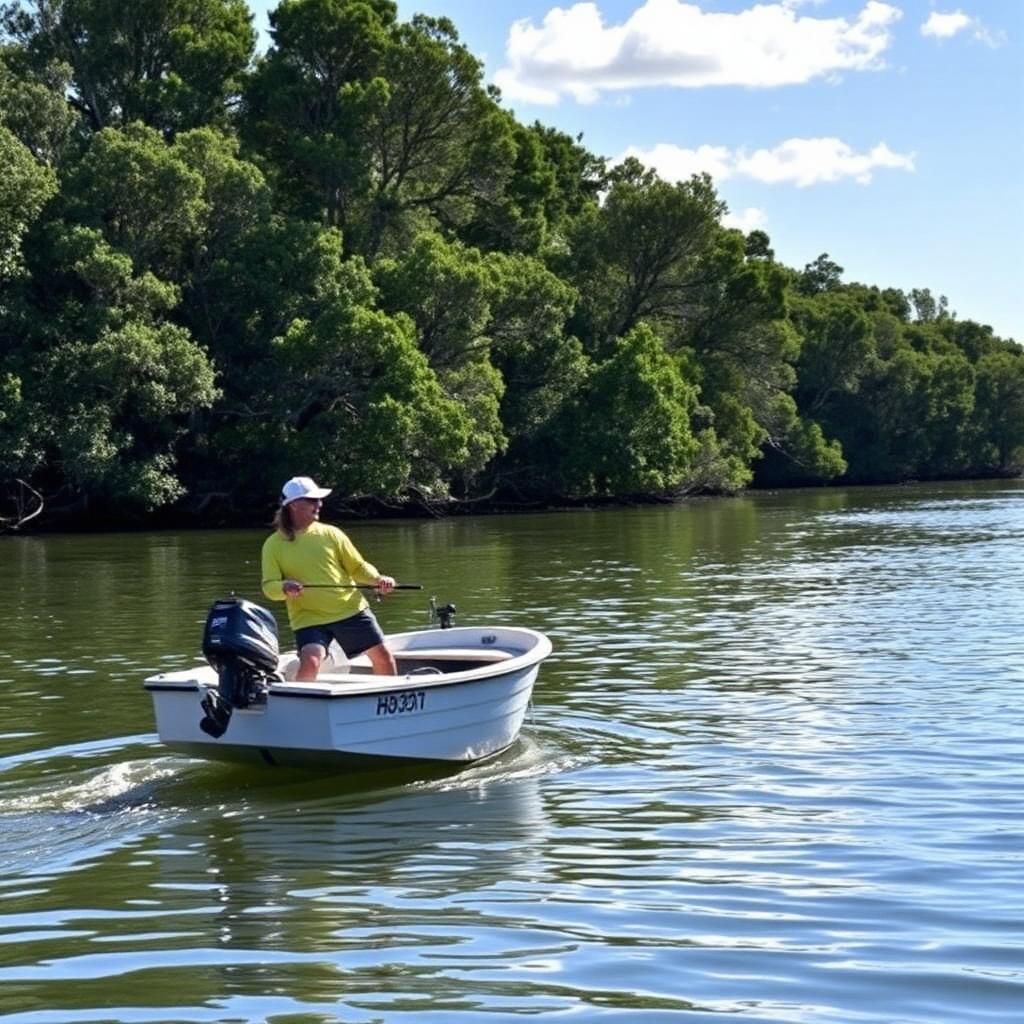
Noosa River (Woods to Weyba)
Spot 04 · estuary

Noosa River (Woods to Weyba)

The Coast's most productive estuary.

From the Woods across to Munna Point, up Weyba Creek and into the lakes — the Noosa system produces flathead, whiting, bream and jacks in the warmer months. Shallow flats, deep pools and structure the whole way. Keep the boat quiet and read the water.

Best tide
Run-in for whiting on the flats; run-out for flathead on the drop-offs.
Target species
FlatheadWhitingBreamMangrove jack (summer)
Local tip

Weyba Creek on a rising tide with a fresh yabby is hard to beat for whiting.

Maroochy River
Spot 05 · estuary

Maroochy River

Sand, snags and summer jacks.

From Cotton Tree up through Chambers Island, Bli Bli and Dunethin Lake — a mixed river system of flats, drop-offs and mangrove-lined snags. Whiting on the flats, flathead on the drains, jacks in the snags come summer.

Best tide
Last of the run-out on the drop-offs.
Target species
WhitingFlatheadMangrove jackBream
Local tip

The Chambers Island area on the last of the run-out holds a lot of fish — quietly.

Caloundra Wide
Spot 06 · offshore

Caloundra Wide

Close-in reefs, big-boat access.

A collection of reef systems in wider water off Caloundra, reachable from both the Caloundra bar (bar-crossing) and Mooloolaba. Reliable reef fishing on the mid-tide and a summer pelagic zone when the current's warm.

Best tide
Mid tide moving to the change.
Target species
SnapperSweetlipSpanish mackerel (summer)Cobia
Local tip

Watch the bar coming home — the run-out ebb with easterly swell is the classic Caloundra trap.

Northern Pumicestone Passage
Spot 07 · estuary

Northern Pumicestone Passage

Sandbanks, whiting and quiet water.

The Caloundra end of the passage — shallow sand flats, oyster leases and quiet backwaters. Sand whiting country, with flathead in the drains and bream around the leases. Ideal small-boat water.

Best tide
Rising tide over the flats.
Target species
Sand whitingFlatheadBream
Local tip

Live yabbies pumped on the flats and drifted back with the tide — hard to beat.

Seasonal calendar

A year on the water

Summer (Dec–Feb)

Spanish mackerel on the reefs, jacks in the rivers, whiting on the flats.

Autumn (Mar–May)

Snapper start showing, mackerel run tapers, brilliant estuary fishing.

Winter (Jun–Aug)

Prime snapper on the Banks and Murphys, tailor off the beaches, bream in the rivers.

Spring (Sep–Nov)

Whiting fire up, flathead spawning, first pelagics show late spring.

Local rule of thumb
  • Check the bar before you commit — Caloundra bar behaviour changes on every tide.
  • The East Australian Current runs hard offshore — plan your drift, not just your mark.
  • Marine park green zones apply on Sunshine Reef and parts of the Noosa system — check the map.
  • Live yabbies pumped fresh on the flats out-fish frozen bait every time.
Official rules

Queensland Fisheries

Bag limits, size limits, closures and licences — always check before you go.

Open regulator site